I’ve always loved elephants. Over the past decade, I’ve spent hundreds of hours with them in northern Thailand — observing their intelligence, their family bonds, their playfulness, and their pain. When I first began designing Wild Women Expeditions’ journeys to Thailand in 2014, the most visible issue in elephant tourism was riding. Elephants were carrying tourists in heavy chairs for long hours each day, which is harmful to them. Ending riding felt like the clear first step to ethical elephant tourism in Thailand and making tourism work for elephant welfare.
At the time, I was proud that we partnered only with venues that did not offer riding. But as the global conversation evolved, so did my understanding. I realized that not riding elephants is only the beginning. Ethical tourism requires us to look deeper — at how elephants live, how they are trained, how they interact with humans, and whether their lives are structured around their own needs or ours.

When “Ethical” Isn’t Enough
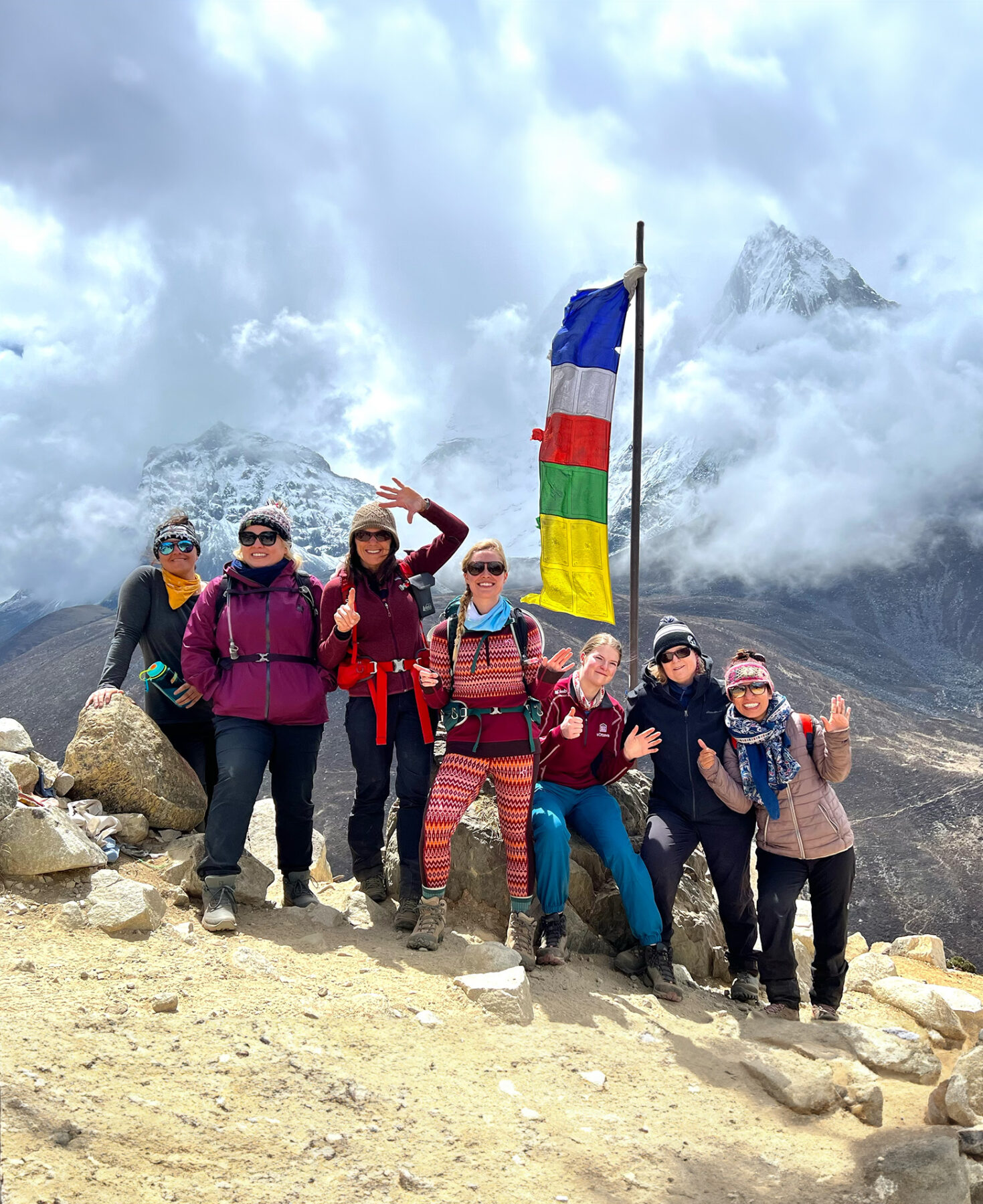
Over the years, I’ve witnessed camps rebrand themselves as “ethical” while still offering bathing sessions, feeding interactions, and invasive photo opportunities. These experiences often feel intimate and meaningful for visitors — and I understand the emotional pull. Many women join our trips with lifelong dreams of touching an elephant, hugging one, or bathing beside one in a river.
But the hard truth is this:
If an elephant is performing for you — even gently — it has been trained to do so.
And that training, historically and often currently, can involve practices we would never want to witness.
The more I learned, the more I understood that true ethical elephant tourism in Thailand must move beyond visitor experience and center on elephant welfare first. That sometimes means letting go of the interaction we imagined and opening our mind and heart to a better way of connecting.
Redefining Ethical Elephant Experiences
At Wild Women Expeditions, we made a conscious decision to shift toward observation-only models. That means:
- No riding
- No bathing with elephants
- No touching
- No tricks or performances
- No forced proximity
Instead, we walk alongside knowledgeable guides and mahouts and observe elephants as they graze, dust bathe, socialize, and roam.
This shift wasn’t about offering less. It was about offering something more honest and caring.

What a Responsible Elephant Experience Feels Like
A Model for Change: ChangChill.
One venue that reflects this evolution is ChangChill, the ethical elephant sanctuary we visit on our Wild Women Northern Thailand tours.
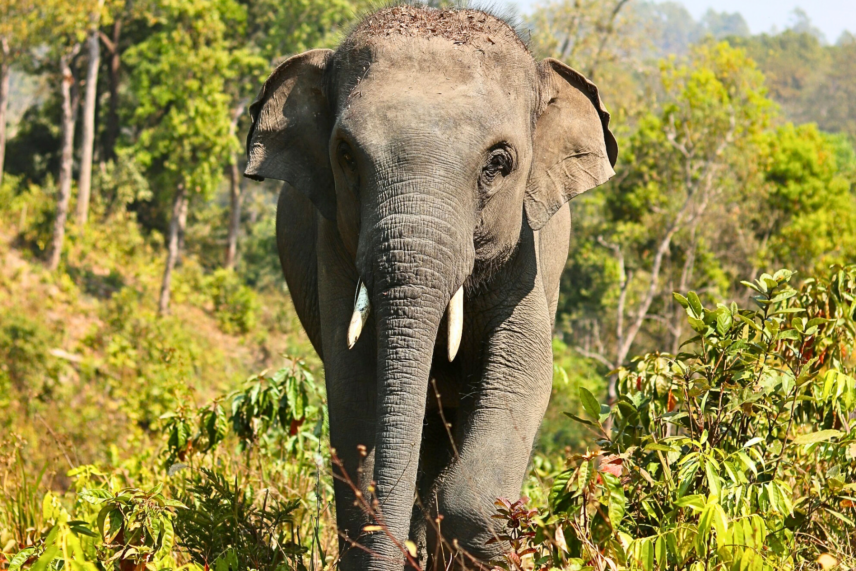
ChangChill transitioned away from traditional tourism models to become an observation-based sanctuary aligned with international animal welfare guidance. The elephants roam freely across forested terrain during the day — grazing, exploring mud pits, and interacting naturally with one another.
Visitors observe from a respectful distance.
There are no staged bathing sessions. No riding. No overfeeding of sugary treats.
Instead, our travellers learn about elephant biology, behaviour, diet, and the complexities of caring for captive elephants in Thailand. You might help prepare supplementary treats and place them into feeding structures designed to encourage natural foraging behaviours — but the elephants decide whether and how to engage.
What struck me most during my time there was how calm the elephants appeared. Their movements were unhurried. Their interactions felt unscripted. The atmosphere felt less like a circus show and more like a glimpse into their real lives.
Equally important is the respect shown to mahouts — the traditional elephant caretakers. Ethical reform cannot ignore the human communities that depend on elephant tourism. When tourism shifts responsibly, it must support both elephants and the people who care for them.
Why Ethical Travel Runs Deeper

One of the most powerful moments on our trips happens when a participant says,
“I thought I needed to touch an elephant to feel connected. But watching her just be an elephant — that felt even more meaningful.”
Connection doesn’t require contact.
In fact, choosing distance can be the most profound act of respect. It is deeply rewarding to sit peacefully in the forest with an elephant that is relaxed and natural, comfortable with your presence.
The Ripple Effect of Responsible Travel
Thailand has thousands of captive elephants. Tourism, whether we like it or not, plays a major role in funding their care. Walking away from tourism entirely isn’t a simple solution. The challenge is transforming it.
When travellers choose observation-only experiences, they signal that animal welfare matters more than entertainment. That shift influences camp owners. It influences training practices. It influences the future for elephants still living in tourism systems.
Travelling Thailand with Intention: What We Ask of Our Travelers
When you join Wild Women in Thailand, we ask you to:
- Be open to redefining what an elephant encounter looks like
- Let go of the need for physical interaction
- Embrace learning over spectacle
- Celebrate elephants behaving like elephants

Ethical elephant tourism in Thailand is not about perfection. It is about progress. It is about asking harder questions and being willing to change when we learn better.
I am proud that Wild Women Expeditions continues to evolve. Our commitment is not to a trend, but to integrity. To listening. To doing better.
Because loving elephants means protecting their dignity to be free and wild. 💚